Japan: The Cookbook by Nancy Singleton Hachisu – Our Review
· By Cookbook Map
It's fitting that Japan: The Cookbook is the first book we're reviewing. It was one of the first cookbooks we bought, and it started our interest in collecting cookbooks from around the world. To put it to the test, we cooked three recipes from it in one weekend.
The book at a glance
- Author: Nancy Singleton Hachisu, who lives on a farm in Japan with her family. She is also the author of two James Beard Award–nominated cookbooks, Japanese Farm Food and Preserving the Japanese Way.
- Publisher: Phaidon, 2018
- Size: 464 pages, more than 400 recipes
- Dimensions: 27.7 cm × 18.7 cm × 4.1 cm (10 7/8 in × 7 3/8 in × 1 5/8 in)
- Weight: 1.7 kg (3.7 lb)
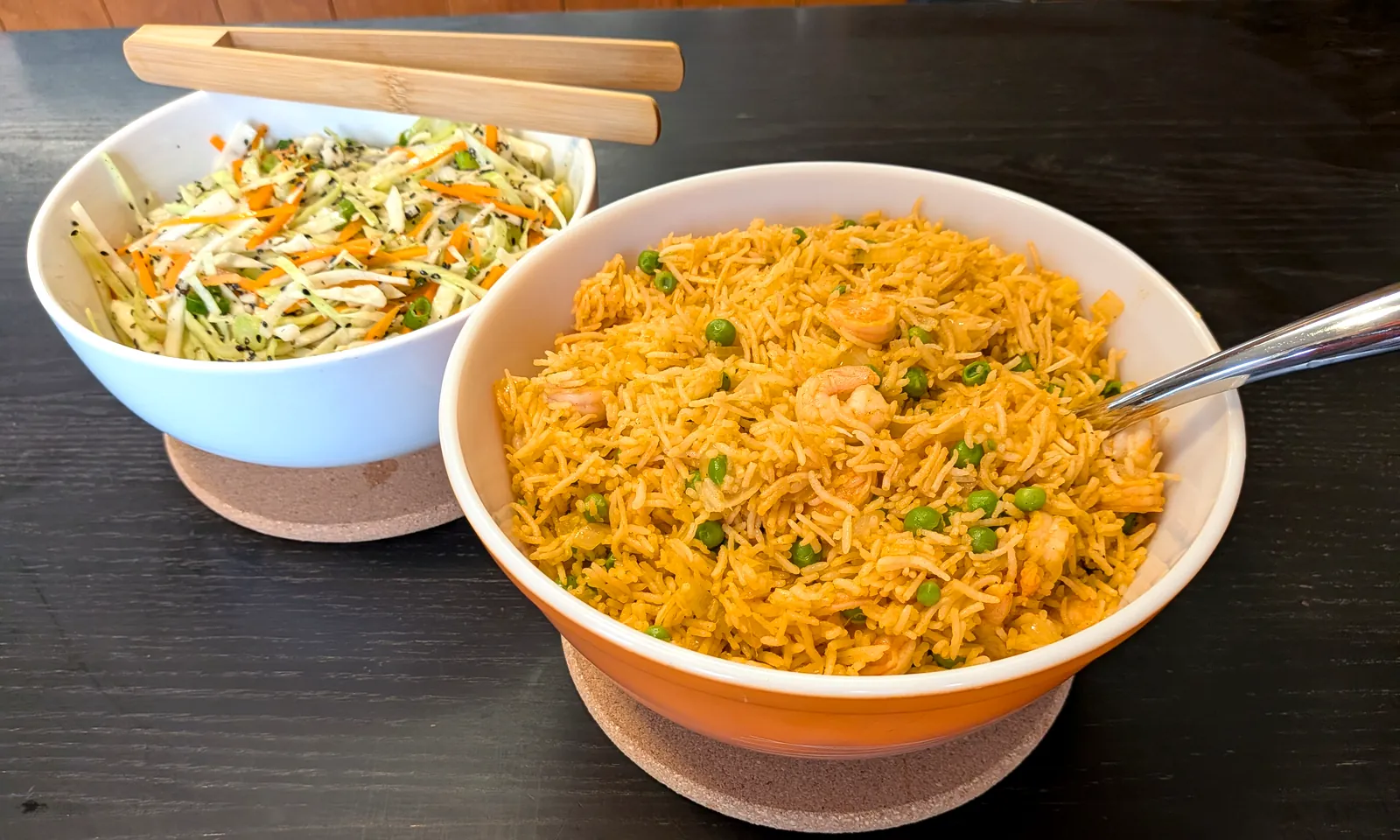
- What we cooked: Cabbage with Hot Sesame Vinegar (page 48), Shrimp and Pea Rice (page 316) and Carrot Cake (page 388)
- Our rating: 5/5
A beautiful book to own
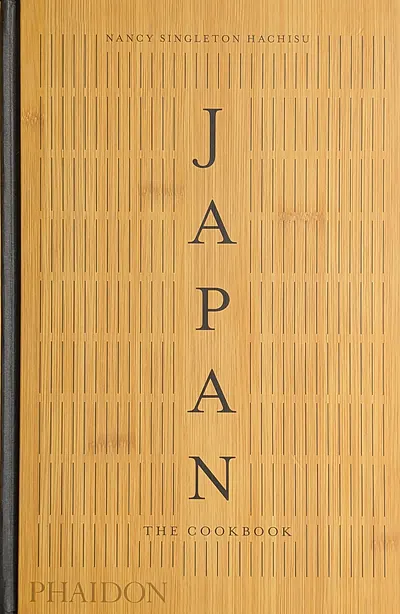
It's a beautiful book to display. The front, spine and back cover have a raised panel that's reminiscent of slatted bamboo. The paper feels high quality, and the photography is beautiful throughout.
What's inside
The book opens with an introduction from the author, followed by a history of Japanese food through different periods. The recipes are broken into categories such as simmered, fried, noodles, steamed, pickles and sweets, and each category starts with its own introductory page. Near the back there's a section of recipes contributed by other chefs, along with a useful glossary, lists of Japanese kitchen equipment and cutting styles, and an index to help you find your way around.
Finding the ingredients
If you have an Asian grocery store nearby, you shouldn't have trouble finding the ingredients for most of the recipes. If you don't, a bottle of mirin and a bottle of shoyu ordered online will go a long way. As our shrimp and pea rice showed, the recipes also forgive a few pantry substitutions.
Cooking from it
The recipes are very approachable for a home cook. Most take up less than half a page, with an ingredient list with measurements and a list of prepped ingredients alongside. We really appreciate that every recipe includes preparation time, cooking time and the number of servings.
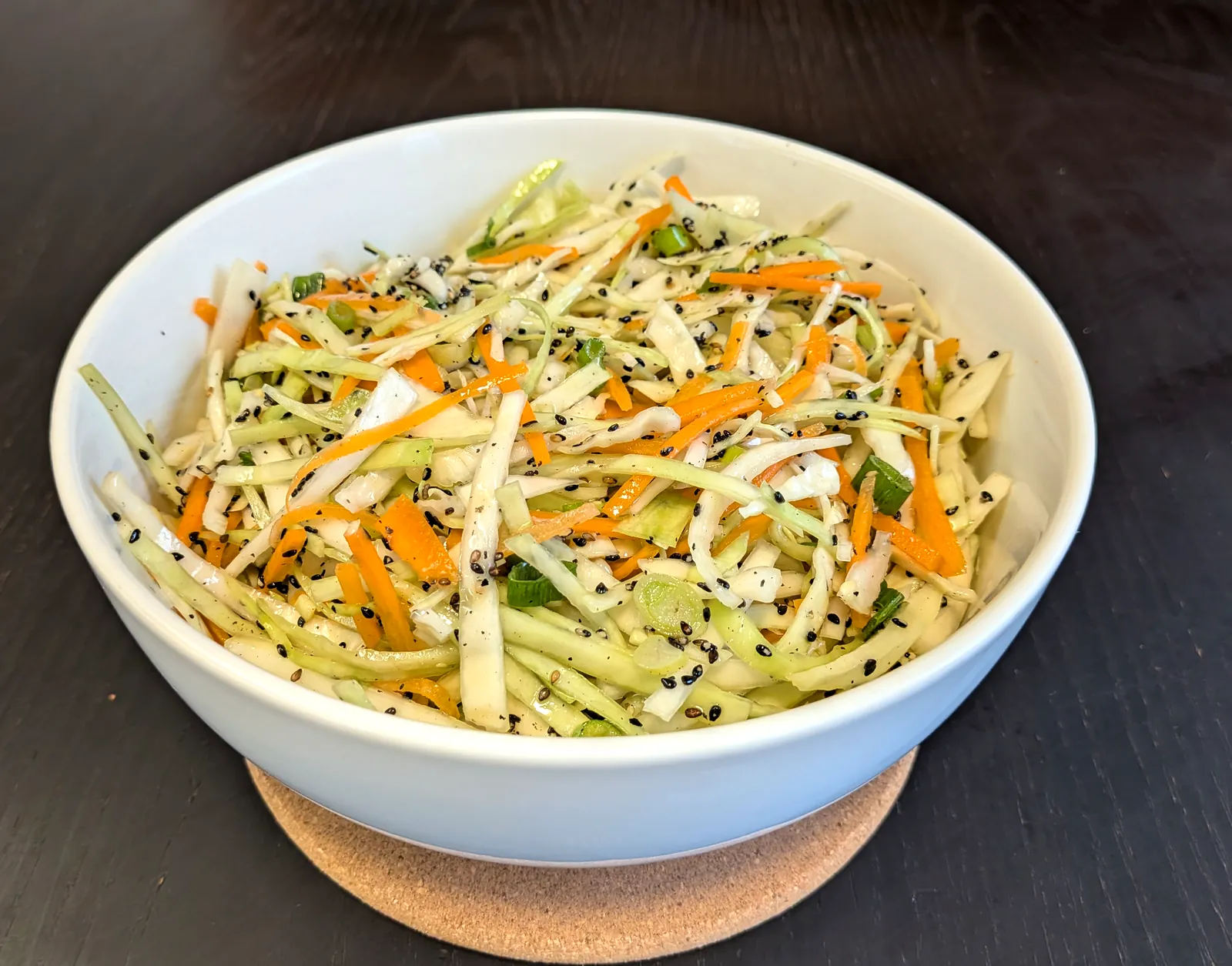
Cabbage with Hot Sesame Vinegar (page 48)
Thinly sliced cabbage, carrots and green onions are tossed with salt, then dressed with heated rice vinegar and sesame oil and finished with sesame seeds that you toast in a pan and grind. It's similar to a coleslaw, and the sesame flavour is a nice addition.
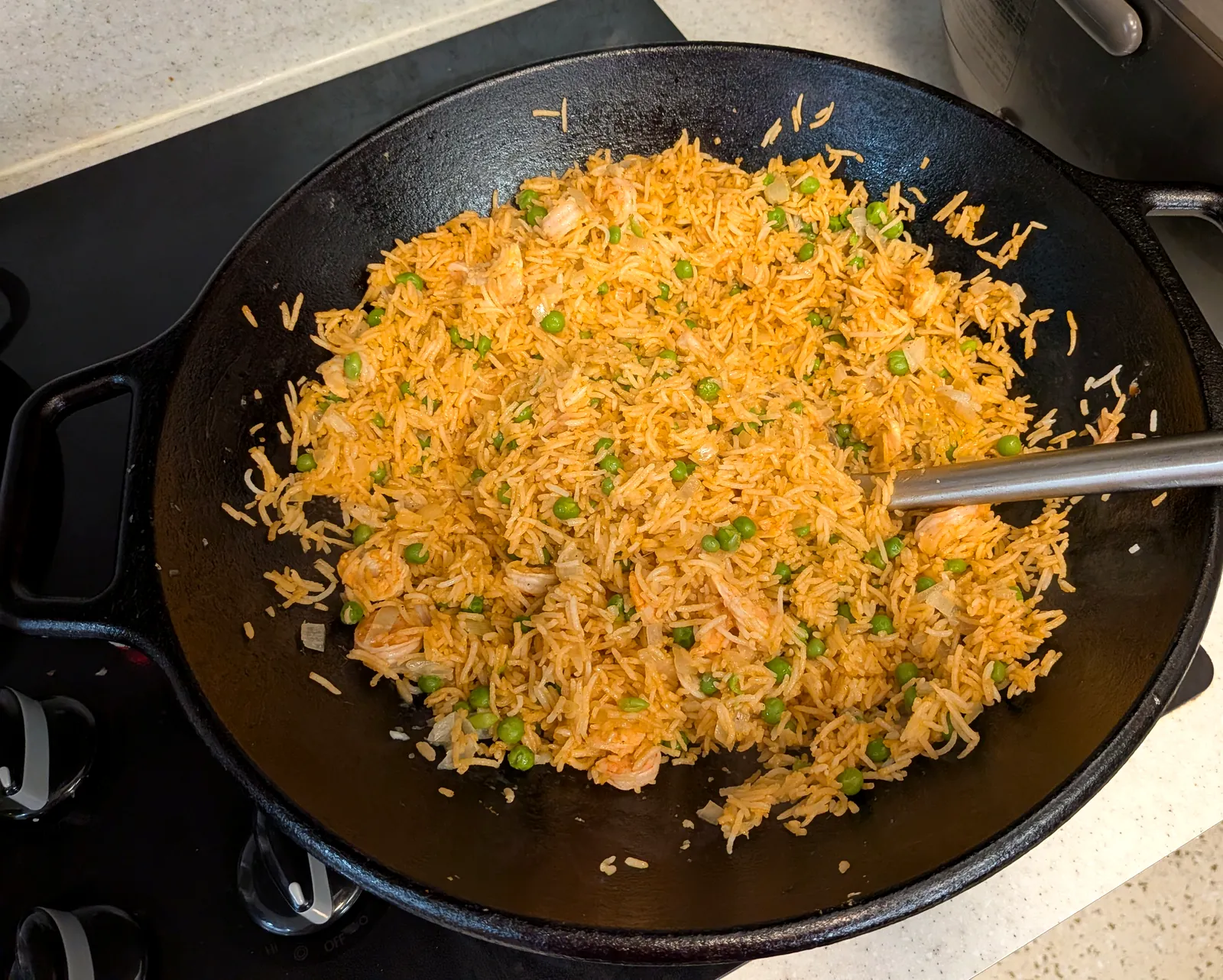
Shrimp and Pea Rice (page 316)
Onion and ginger are stir-fried with shrimp and peas, then tossed with rice, shoyu, ketchup and a pinch of flaky sea salt. We didn't have the fresh ingredients the recipe calls for, so we used frozen peas and the ginger purée we had on hand, and soy sauce worked fine in place of shoyu. We were a bit nervous about the ketchup, but its flavour wasn't overly strong. This one turned out really well.
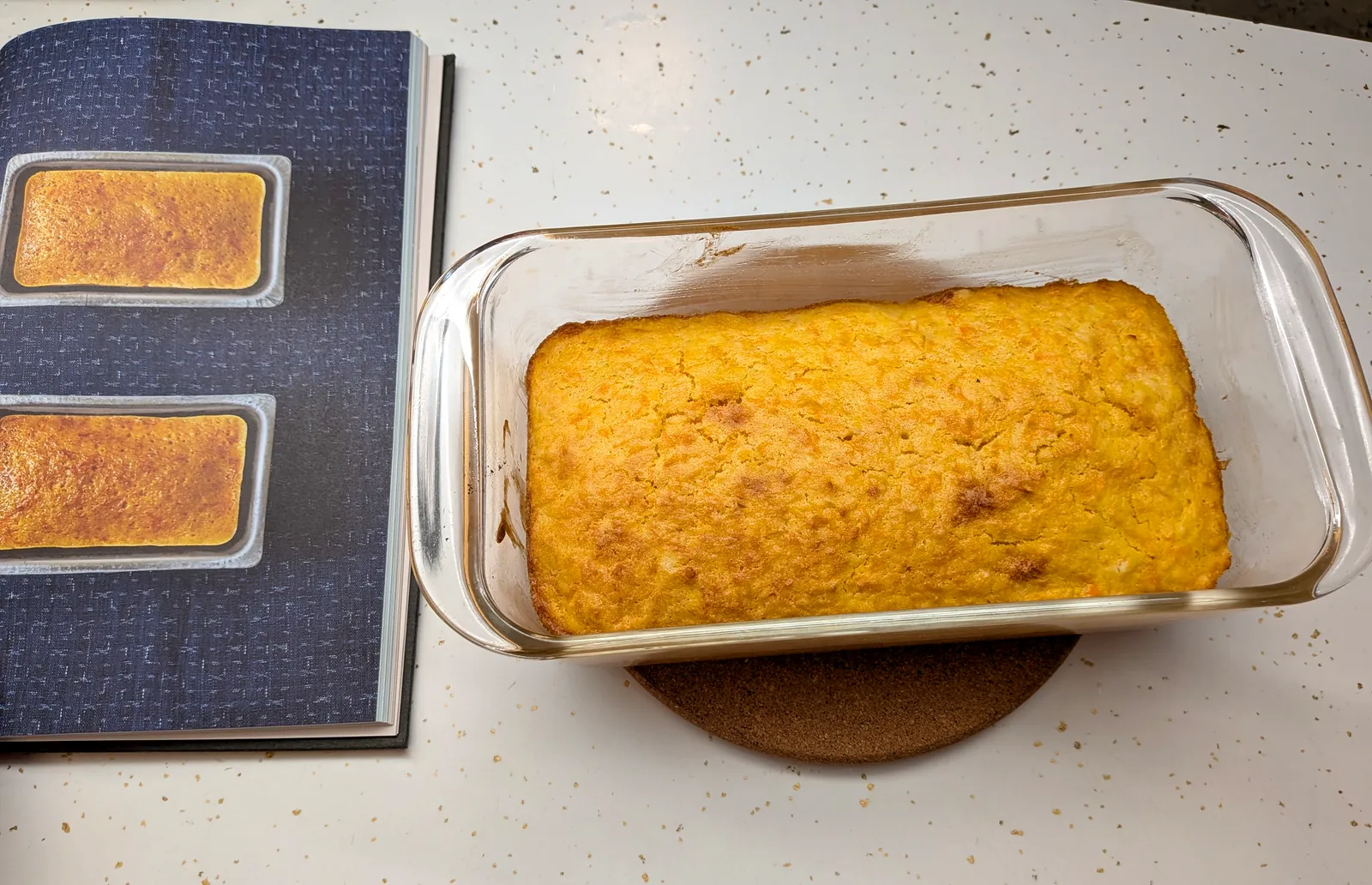
Carrot Cake (page 388)
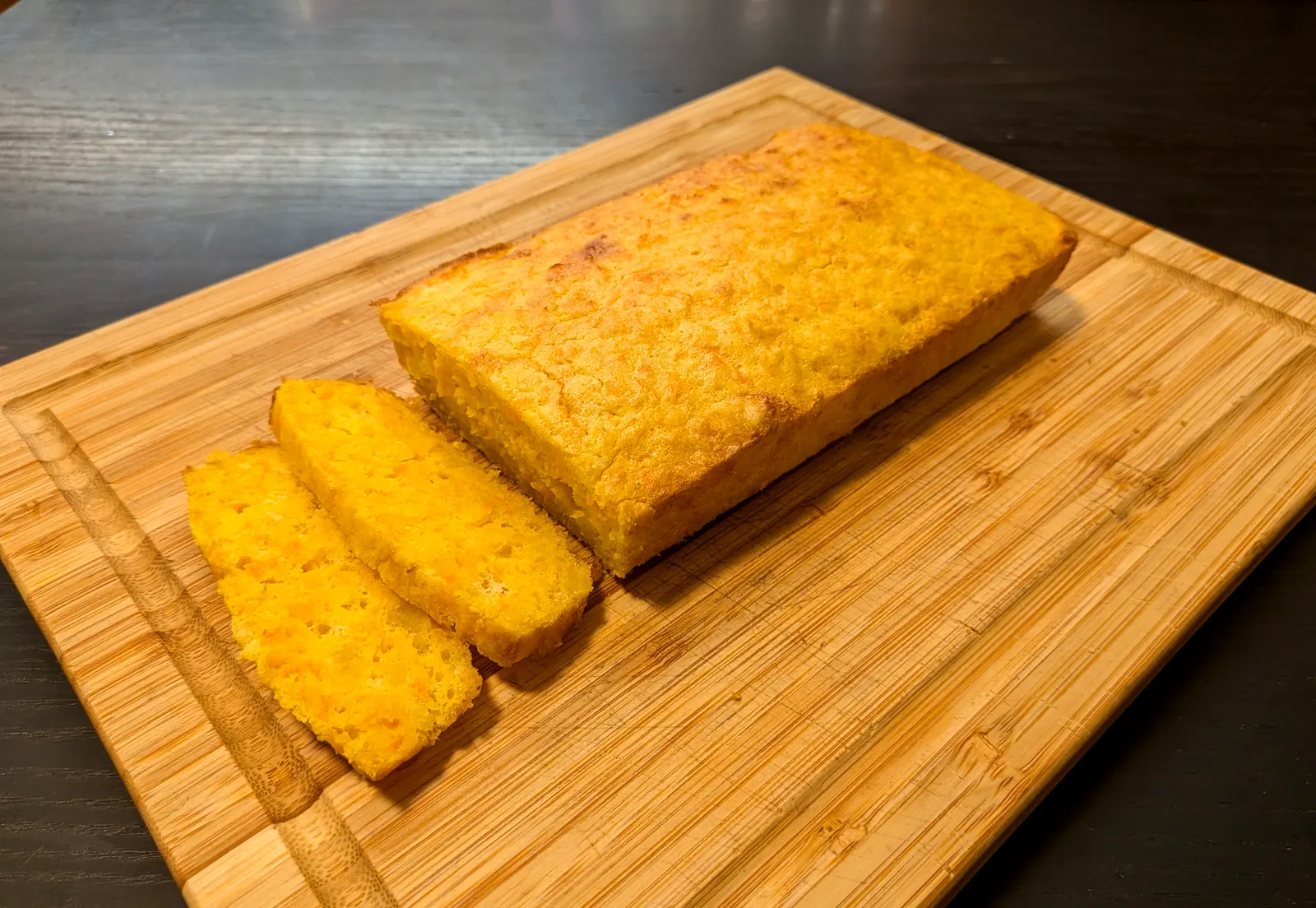
This isn't the frosted carrot cake you might be picturing. Grated carrots are mixed with a little flour, a little sugar, egg yolks and oil, and whipped egg whites are folded in before baking. It turned out nicely: not too sweet, with a good texture and a lovely carrot flavour.
Our verdict
We rate Japan: The Cookbook 5/5. All three recipes turned out well, even with a few substitutions. It would be a lovely gift, and it looks great on display at home. It really is a treasure you can come back to for inspiration for years to come.
 Top pick
Japan: The Cookbook
Phaidon · 2018
✓ On our shelf
One of three books that started our collection.
Buy on AmazonLooking for more? See all our picks on our Japan page.